
Concealed Carry Positions: How to Choose the Right One
Sep 11th 2026
Finding Your Ideal Carry Spot Starts with Real-World Fit
Body type, daily activities, clothing, and access speed all shape which concealed carry position works best for a given person and situation.
At a Glance:
- Appendix carry places the firearm near the belly button for fast access but demands a comfortable holster and practice.
- Strong-side hip (IWB or OWB) remains the most common choice for right-handed shooters and long periods of wear.
- Pocket carry and ankle carry suit small firearms and deep concealment when primary access is less critical.
- Shoulder holsters and off-body options expand choices for drivers, colder months, or specific clothing.
- Roughly 30 percent of U.S. adult handgun owners carried a loaded handgun in the past month, according to national survey data on handgun carrying frequency among U.S. owners, with about 6 million doing so daily.
- Matching the right holster to the position improves comfort, retention, and draw consistency.
Selecting a concealed carry position is personal. The goal is reliable access for self-defense while keeping the concealed firearm hidden during everyday movement. DeSantis offers American-made options across leather, Kydex, and hybrid designs that cover every major carry method listed in the DeSantis official product catalog details on recommended carry positions.
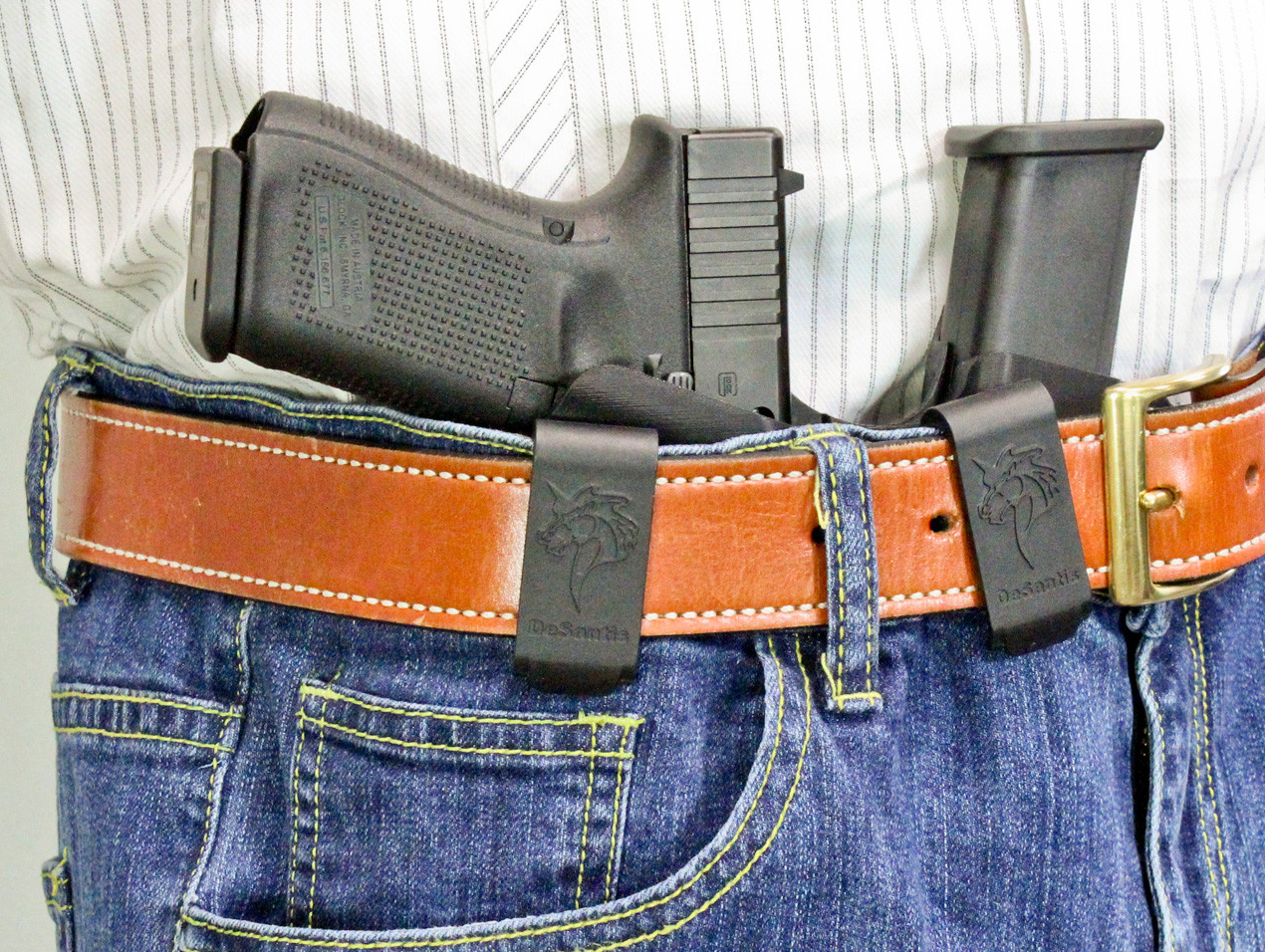
Appendix Carry (Around the 1 O’Clock Position)
Appendix carry positions the holster in front of the hip near the belly button, giving many carriers the shortest path to the grip.
Pros
- Fastest draw for most right-handed shooters when practiced
- Strong situational awareness because the gun stays in the natural line of sight
- Excellent concealment under untucked shirts for many body types
Cons
- Can feel less comfortable when seated or bending for some users
- Requires careful holster selection to avoid muzzle issues during reholstering
- Less ideal for larger firearms or certain body shapes
Best for
Daily activities where rapid access matters, such as urban environments or situations with higher perceived risk. Works well for many new shooters once they train the draw stroke.
DeSantis Match
The Slim-Tuk or Hidden Truth Kydex appendix options provide adjustable ride height and cant according to practical guidance on IWB and appendix holster selection. For a hybrid feel, the Sof-Tuck or Intruder series also supports appendix positioning. Readers comparing materials can review the company’s comparison of leather versus Kydex for different carry methods.
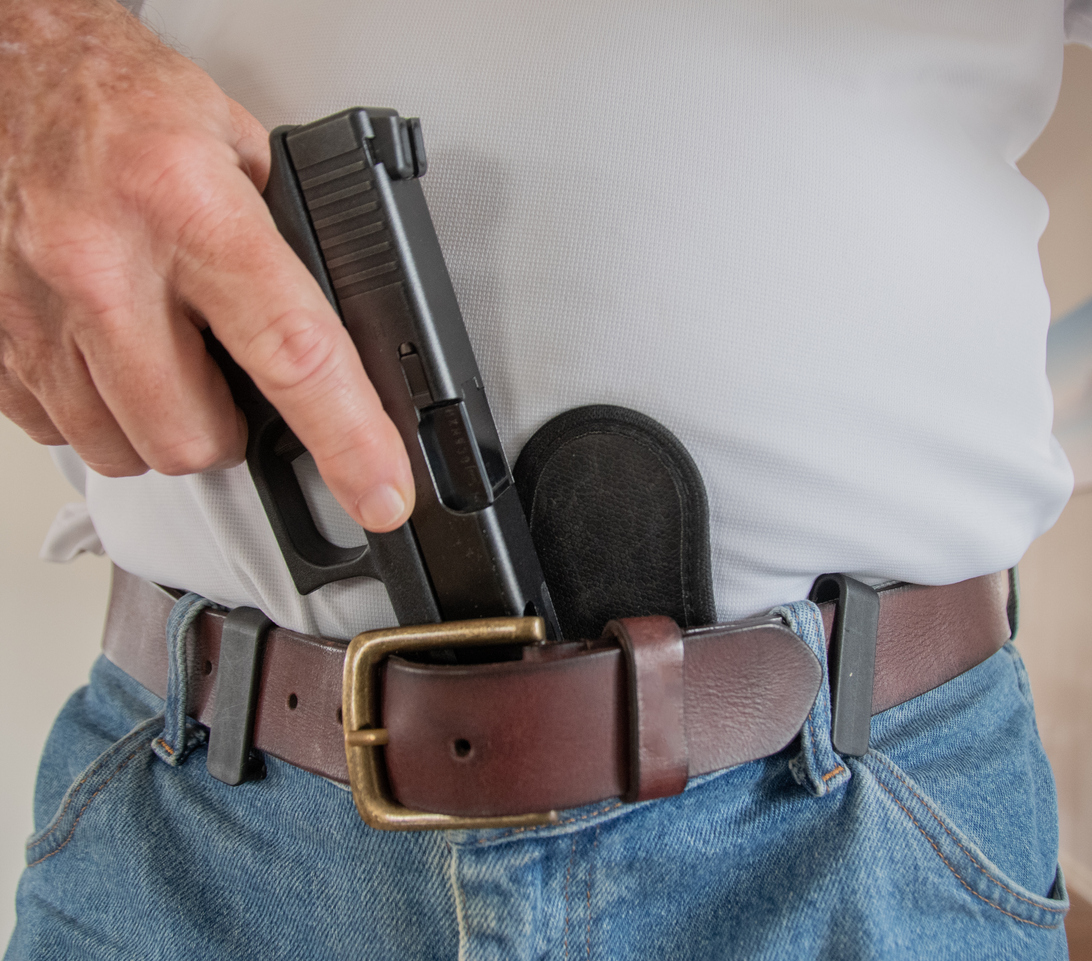
Strong-Side Hip Carry – Inside the Waistband (IWB)
Strong-side hip IWB places the firearm at roughly the 3- to 4-o’clock position on the strong side, inside the waistband.
This classic carry position balances comfort, concealment, and access for the majority of everyday carriers. It keeps the gun close to the body while allowing a natural draw stroke that many shooters already practice. A quality EDC belt and proper ride height make long periods of wear more manageable.
Pros
- Comfortable for most body types during walking and standing
- Easy access without extreme body contortion
- Compatible with a wide range of cover garments
Cons
- Can print more than appendix under tight clothing
- Drawing while seated in a vehicle requires practice
- Needs a supportive belt to prevent sagging
Best for
Right-handed shooters seeking an all-day solution for work, errands, and mixed daily activities. Suits both new shooters and experienced carriers who prioritize comfort over absolute speed.
DeSantis Match
The Sof-Tuck, Transit hybrid, or Slim-Tuk deliver adjustable cant and secure clips for IWB strong-side use.
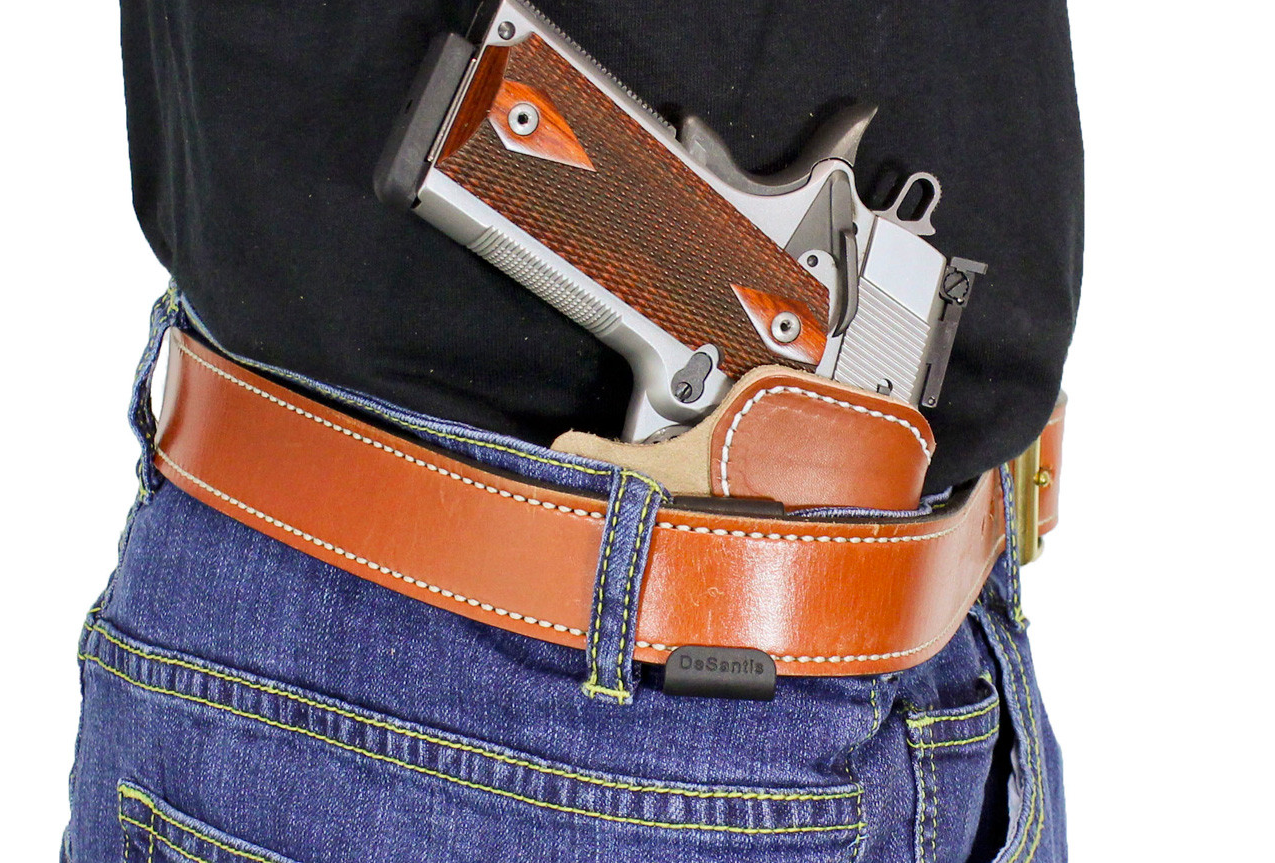
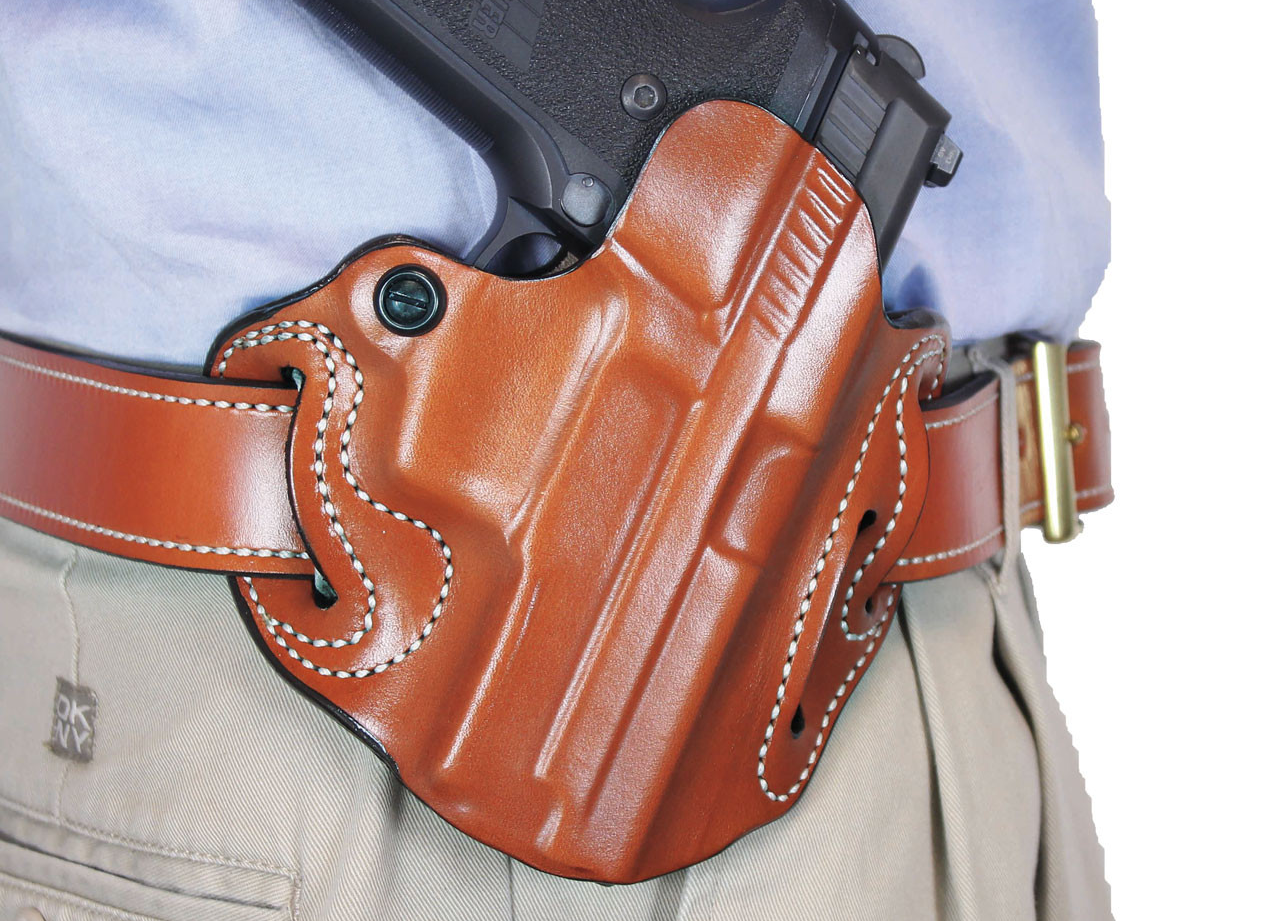
Strong-Side Hip Carry – Outside the Waistband (OWB)
OWB strong-side hip rides outside the waistband at the 3-to 4-o’clock position and relies on a cover garment for concealment.
Many law enforcement and plainclothes professionals prefer this method because it offers a full grip and consistent retention. The open design often allows a smoother draw than deep IWB options once the cover garment is cleared.
Pros
- Comfortable for long periods and larger firearms
- Excellent retention options with tension devices or thumb breaks
- Faster reholstering for many users
Cons
- Requires a longer cover garment (jacket, untucked shirt, or vest)
- Less discreet in warm weather or casual clothing
- Can shift if the belt is not sturdy
Best For
Colder months, professional settings that allow jackets, range use, or open carry environments where legal. Ideal when comfort and speed both matter.
DeSantis Match
The classic Speed Scabbard or Mini Scabbard provide precise molding and adjustable tension. The Veiled Partner Kydex OWB hugs closer to the body for better concealment under lighter covers.
Pocket Carry
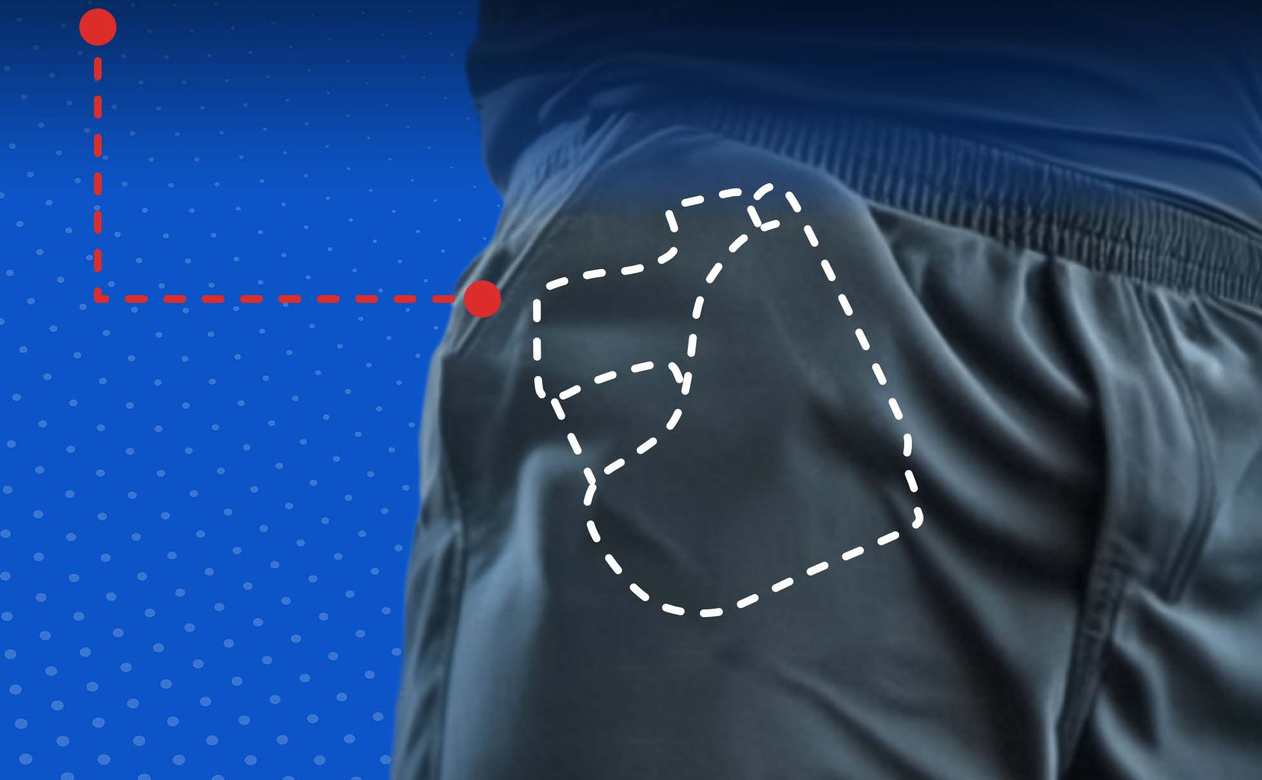
Pocket carry places a small firearm inside a dedicated pocket holster in the front pants or jacket pocket.
This method keeps the gun completely off the belt line and works especially well with small firearms. A proper pocket holster breaks up the outline and keeps the trigger covered while allowing a clean draw, as explained in pocket holster design principles and retention features.
Pros
- Extremely discreet with no belt printing
- Simple for light clothing or situations where waistband carry is impractical
- Quick access once the hand is already in the pocket
Cons
- Limited to small, lightweight handguns
- Draw can be slower if the pocket is deep or cluttered
- Not ideal for larger-framed carriers or heavy physical activity
Best For
Backup guns, deep concealment, or casual environments. Popular with carriers who already own a compact or micro-compact pistol.
DeSantis Match
The Nemesis and Super Fly pocket holsters use sticky exterior material that stays put while the slick interior supports a smooth draw.
Ankle Carry
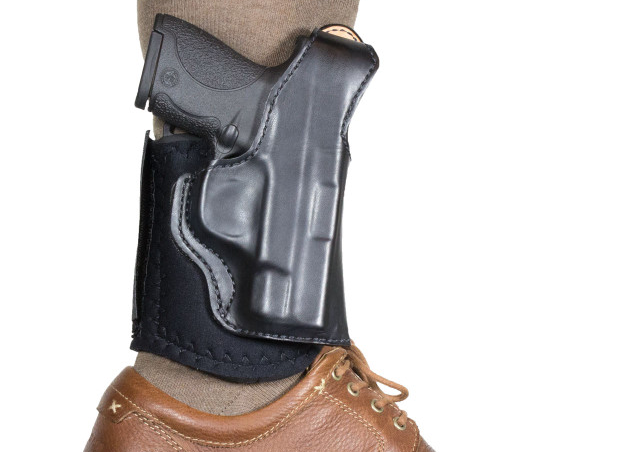
Ankle carry positions a small firearm on the inside of the non-dominant ankle, usually under a pant leg.
Access requires more movement than waistband options, so most people treat ankle carry as a secondary or deep-concealment method rather than a primary solution. Comfort depends heavily on a well-padded, stable rig, which is why ankle rig construction and wear recommendations emphasize opposite-leg placement and optional support straps.
Pros
- Excellent deep concealment under standard pants
- Leaves the waist free for primary holsters or other gear
- Works with a wide range of clothing styles
Cons
- Slowest access of the common methods
- Can become uncomfortable during extended walking or running
- Limited to small firearms
Best For
Backup carry, formal clothing, or situations where waistband options are restricted. Law enforcement and plainclothes professionals often keep a small gun here as a secondary option.
DeSantis Match
The Apache Ankle Rig and Die Hard Ankle Rig offer padded support and secure retention designed specifically for this position.
Shoulder Holster Carry
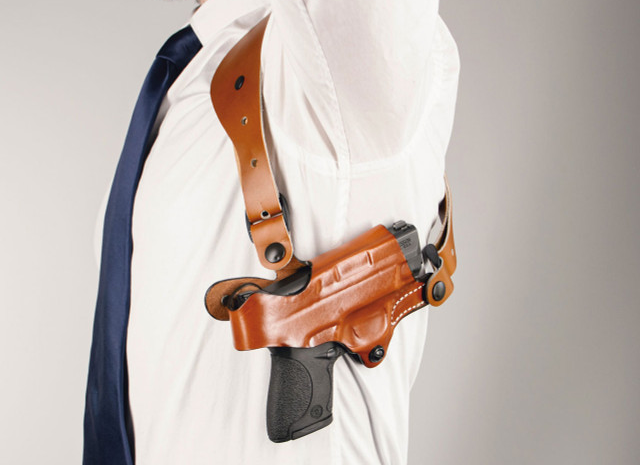
Shoulder holsters distribute the weight across the torso with the firearm riding under the non-dominant arm.
This position shines when seated for long periods or when jackets are part of the daily wardrobe. Cross-draw or vertical orientations change the access path and concealment profile. Shoulder holster systems for seated and jacketed carry remain popular among plainclothes professionals for exactly these reasons.
Pros
- Comfortable while driving or seated
- Works well under jackets in colder months
- Allows easy access to spare magazines on the opposite side
Cons
- Requires a jacket or similar cover garment
- Draw stroke differs from strong-side hip and needs dedicated practice
- Can print or shift if the harness is not adjusted correctly
Best for
Drivers, colder climates, or professional environments where a jacket is normal. Also useful for carriers who find waistband positions uncomfortable.
DeSantis match
The New York Undercover and C.E.O. shoulder systems provide molded leather retention and adjustable harnesses built for all-day wear.
Quick Comparison of Common Concealed Carry Positions
| Position | Access Speed | Concealment Level | Comfort for Long Wear | Ideal Firearm Size | Best Scenario |
|---|---|---|---|---|---|
| Appendix | Fastest | High | Moderate | Compact+ | Daily urban carry |
| Strong-Side IWB | Fast | High | High | Most sizes | All-day general use |
| Strong-Side OWB | Fast | Moderate | Highest | Full size OK | Jacket weather/range |
| Moderate | Highest | High (small guns) | Small only | Deep concealment/backup | |
| Ankle | Slowest | Highest | Moderate | Small only | Secondary/formal wear |
| Shoulder | Moderate | High with jacket | High when seated | Compact to full | Driving / cold weather |
Choosing and Training with Your Position
Body type, clothing choices, and the specific firearm all influence which carry position feels natural. Test multiple options with an unloaded gun at home before committing to daily carry, following DeSantis safety and product use guidelines that emphasize proper fit and retention testing. Practice the full draw stroke, including clearing the cover garment, from realistic starting positions such as seated, standing, and moving.
A supportive EDC belt improves nearly every waistband method. New shooters often benefit from starting with strong-side IWB because the motion closely matches common range training. Experienced carriers frequently rotate between two positions depending on clothing and activity. For more guidance on matching holsters to specific pistols, explore the DeSantis EDC and everyday carry considerations for position choice and related GunLuv Blog resources. Additional context on readiness and secondary options appears in firearm storage and access research.
The right concealed carry position is the one you will actually wear consistently and can access under stress. DeSantis has spent more than 50 years refining holsters for every major method, from kitchen-table beginnings to serving professionals worldwide.
Ready to match a holster to your preferred carry style? Browse the full range of DeSantis concealed carry holsters and find the setup that fits your daily life.
