
Cross Draw Compared to Other Carry Styles
Nov 5th 2026
A Different Angle on the Draw
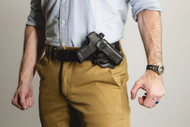
Cross draw flips the usual carry setup by moving the gun to your weak side, butt forward, for a reach across the body. It trades the speed of a strong side draw for easier access when you are seated, driving, or dealing with a shoulder that does not love the standard reach.
Here is the cross draw breakdown, at a glance:
- Cross draw carry rides on your weak side with the grip angled toward your dominant hand, so you reach across your body to draw.
- It beats strong side carry for comfort in a seated position, behind the wheel, or with limited shoulder mobility.
- The trade-off is a slower draw and more exposure of the gun during the reach, which takes practice to manage.
- It fits revolver and handgun shooters alike, and it has roots in the old cavalry draw.
- DeSantis cross draw picks include the Criss-Cross, the Sky Cop, and the Wild Hog.
Picking a carry position comes down to how you move through your day and where your hand naturally falls. Cross draw is one of the oldest answers to that question, and it still earns its place for the right shooter.
What Is Cross Draw Carry?
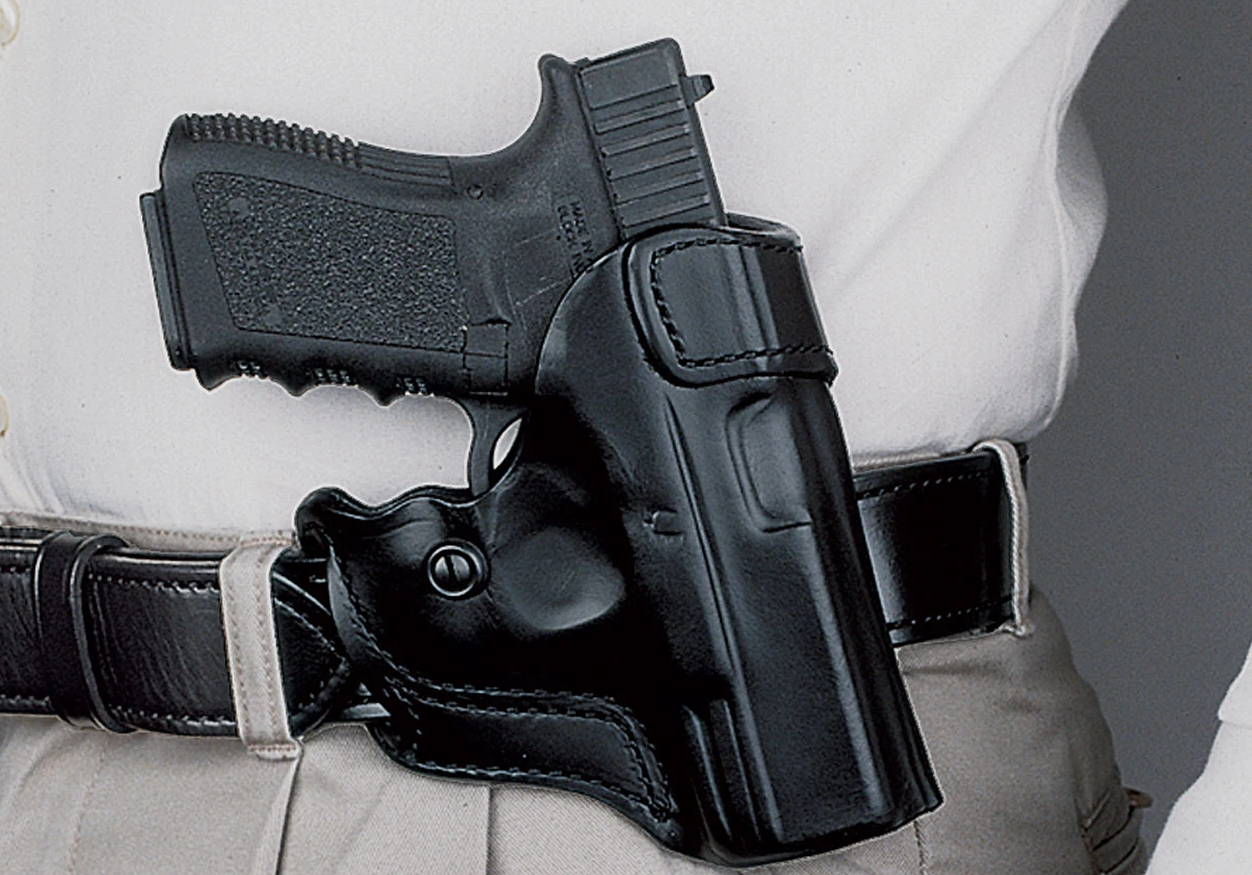
Cross draw carry places the holster on the opposite side of your body from your dominant hand, with the grip canted forward. A right-handed shooter wears it on the left hip, draws across the torso with the right hand, and reverses that for a left-handed shooter. The reach crosses the midline, which is where the name comes from.
It helps to picture it next to a strong side holster:
- Strong side carry keeps the gun on your dominant hip for the shortest path to the grip.
- Cross draw moves it to your weak side and cants the grip forward to line it up with your drawing hand.
- Most cross draw rigs ride outside the waistband on a belt, held by a belt loop or two.
- Many also offer an adjustable cant, so you can fine-tune the angle to your body.
This is not a new idea. The cross draw traces back to the cavalry draw that let mounted soldiers reach a revolver while on horseback, when a strong side draw was blocked by a saddle or a reins hand. That traditional style carried into the holsters cowboys and lawmen wore, and it still shows up today anywhere a straight-down strong side hip draw gets awkward.
How Cross Draw Compares to Other Carry Styles
Cross draw sits between the speed of strong side carry and the deep concealment of inside the waistband or pocket carry. It gives up some draw speed and adds some printing, and it pays you back with easy access when you are sitting down. Here is how the main carry methods stack up against one another.
| Carry Style | Gun Position | Draw Speed | Seated Access | Concealment |
|---|---|---|---|---|
| Cross draw | Weak side, grip forward | Moderate | High | Moderate |
| Strong side OWB | Strong side hip | Fast | Lower | Moderate |
| IWB | Inside the waistband | Fast | Moderate | High |
| Front or back pocket | Slow | Moderate | High | |
| Chest holster | Centered on the chest | Moderate | High | Lower under light clothing |
A strong side holster wins on raw speed because your hand drops straight to the grip with no reach across the body. A pocket holster hides a small gun well for a short errand, though the draw is the slowest of the bunch and the pocket has to be dedicated to the gun. An IWB holster tucks the firearm against your body for the best everyday concealment, while a chest holster shines for hunting and the outdoors where a hip rig fights your pack straps.
Cross draw carve outs its own lane in two spots the others struggle with. The first is the seated position, since the grip sits at the front of your hip where your hand can reach it without pinning your elbow against a seat back. The second is any time your support arm or dominant shoulder has limited range, because the cross-body reach asks less of that joint than a strong side draw does.
Who Cross Draw Carry Is Good For
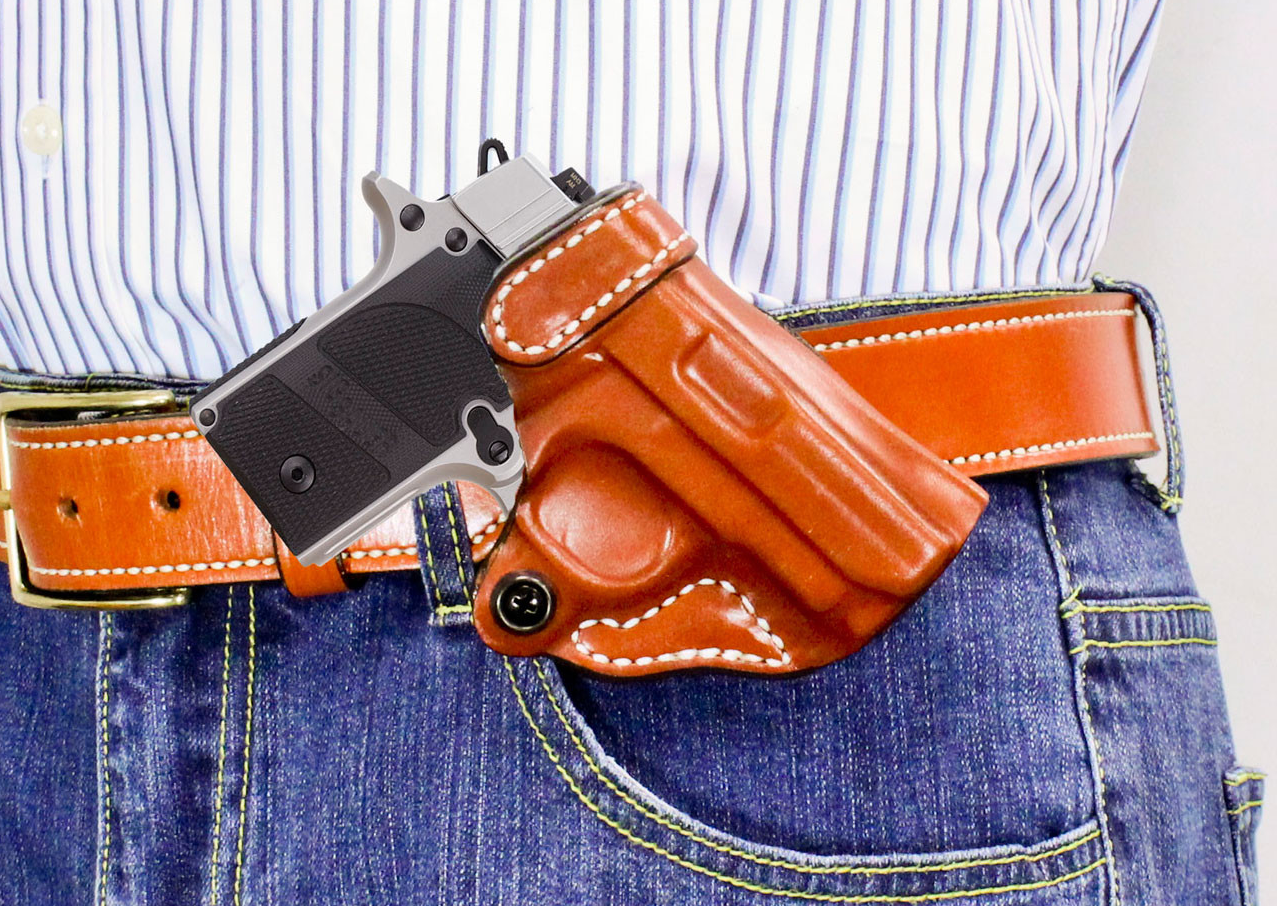
Cross draw carry fits anyone who spends real time seated or who finds a strong side draw uncomfortable. Drivers, people with shoulder or mobility limits, outdoors shooters wearing a pack, and revolver fans all tend to land here. It rewards practice, so it suits a shooter willing to drill the draw rather than one looking for the fastest grab.
A few people cross draw serves especially well:
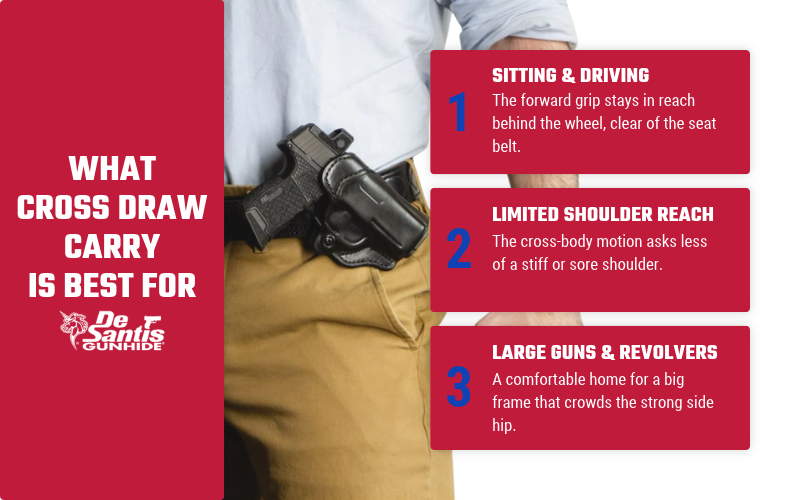
- Drivers and anyone who carries on a daily basis from a seat find the forward grip easy to reach without fighting a seat belt or the console of a patrol car.
- Shooters with a stiff shoulder or limited reach on the strong side get to the gun with a gentler cross-body motion.
- Outdoors and range shooters who wear a pack keep the grip clear of hip belts and straps.
- Revolver and large-frame handgun carriers get a comfortable home for a gun that can feel bulky on the strong side hip.
The honest trade-offs matter too. The cross-body reach is a longer path than a strong side draw, so the draw is slower and takes repetition to smooth out. The forward cant also points the grip outward, which can print under a light shirt and briefly sweep the muzzle across your own support arm during the draw, something US Concealed Carry notes is worth drilling until the motion is clean. As with any holster, the rig should fully cover the trigger guard so nothing can reach the trigger while the gun is seated.
The Best DeSantis Cross Draw Holsters
DeSantis builds several cross draw holsters in premium leather, each suited to a different carry need. The right one depends on your gun size and how you spend your day, from around-town carry to range and field use. All three below are worn on the side opposite your drawing hand.
Here is how the three compare:
- The Criss-Cross is the modern everyday pick, built from premium American cowhide. It carries a wide range of popular models including Glock, Sig Sauer, and Smith & Wesson, and it comes in black or tan with left and right fit options. DeSantis describes it as one to wear while you are driving or walking around town.
- The Sky Cop is the pick for larger guns. This cross draw holster is detail molded from premium saddle leather to carry large-frame auto loaders and small-frame revolvers, and it adds an adjustable tension device so you can set the retention you want.
- The Wild Hog covers the field and range. Made from top grain and center cut steer hide, it can be worn cross draw or strong side and is fully ambidextrous, so right-handed and left-handed shooters share one design.
If you are still weighing carry positions, DeSantis also breaks down how to choose the best concealed carry holster for you and match it to how you move.
Carry the Way That Fits You
Cross draw is a proven carry option for seated work, limited mobility, and larger guns, and the right holster makes the cross-body draw feel natural. The Criss-Cross handles everyday carry, the Sky Cop takes the big frames, and the Wild Hog goes to the field. Ready to find your carry style? Browse the full lineup of DeSantis holsters and pick the one that matches how you carry every day.
