
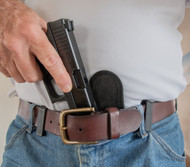
Appendix Carry 101: Benefits & Holster Guide
Jul 22nd 2026
The Quick Draw on Appendix Carry
Appendix carry has grown into one of the most popular concealed carry methods in the country, and for good reason.
At a Glance:
- Appendix carry places the pistol at the front of your body, near the 1 o'clock position for right-handed shooters.
- It offers better concealment and a faster draw stroke than most other carry positions.
- The method sits close to the femoral artery, so proper trigger discipline and a proper holster matter more here than anywhere else.
- A rigid Kydex holster that fully covers the trigger guard is the safest foundation for daily carry.
- Comfort comes down to body type, ride height, cant, and the right cover garment.
Carrying a firearm in the appendix position takes practice, the right gear, and respect for a few firm safety rules. This guide walks through how the method works, why so many people prefer it, and what to look for when you choose an appendix holster.
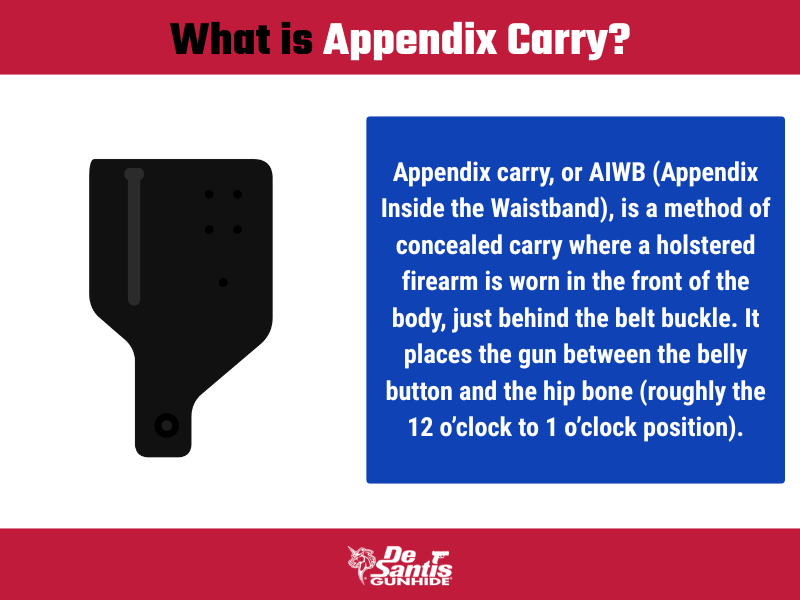
What Is Appendix Carry?
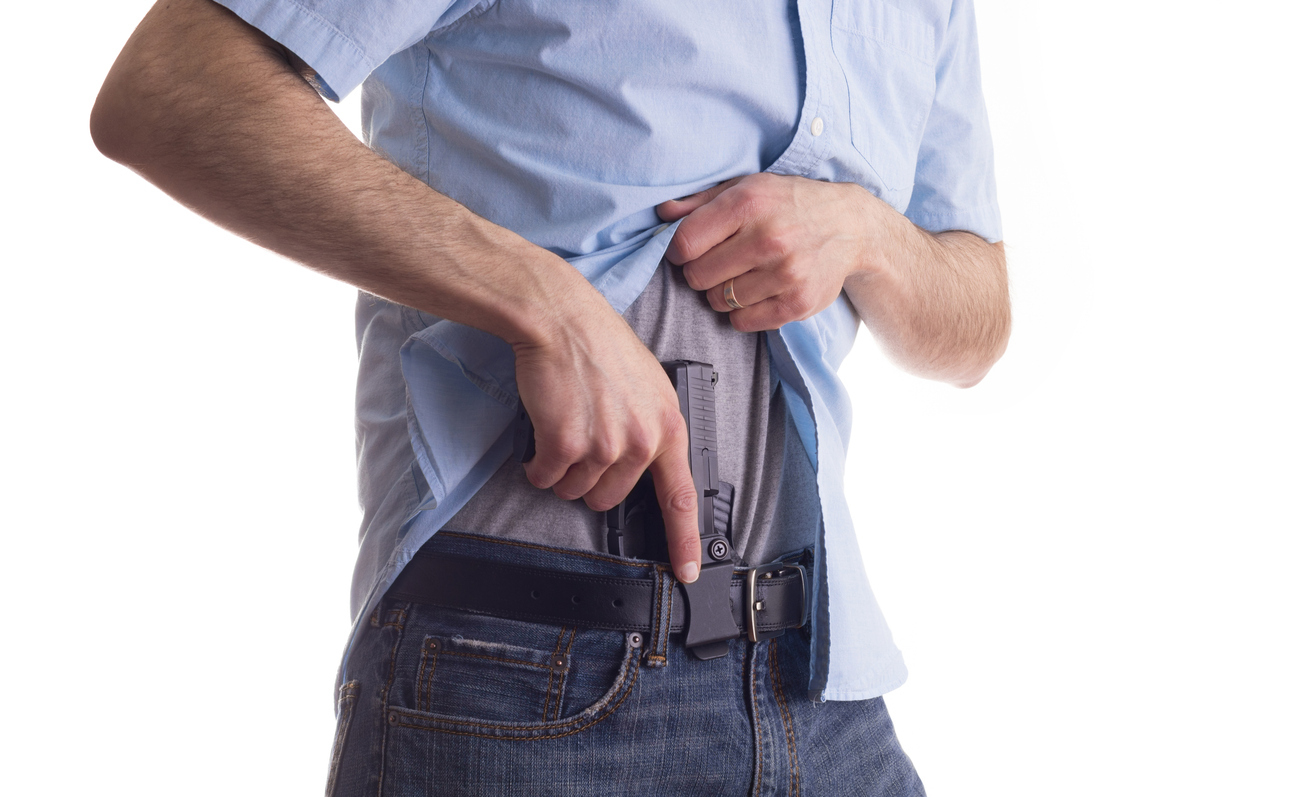
Appendix carry, often shortened to AIWB carry, means wearing an inside-the-waistband holster at the front of your body rather than on your hip or strong side. The name comes from the appendix position, roughly where your appendix sits, near the belly button and just to one side of the belt buckle.
Most right-handed carriers settle the pistol around the 1 o'clock position, while left-handed carriers mirror that on the left side. Because the gun rides at the front, it stays under your hands and within your line of sight, which is part of what makes this carry method so appealing compared to hip carry.
Why People Choose Appendix Carry
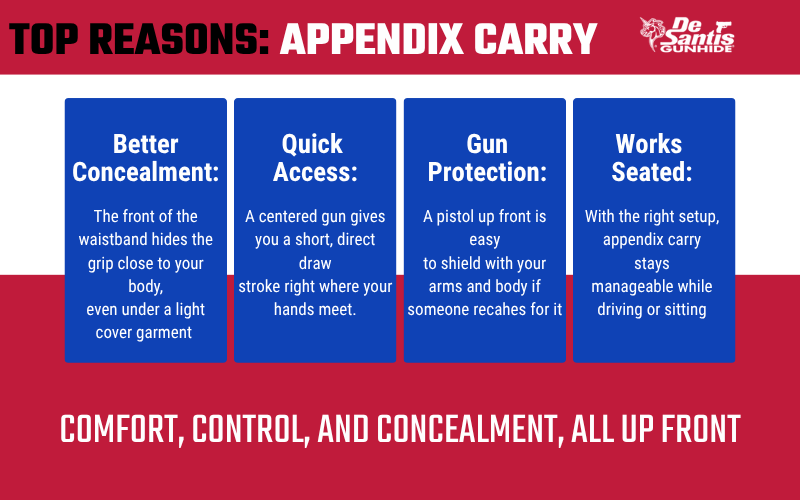
Plenty of shooters try appendix carry and never go back to hip holsters. The appeal usually comes down to a handful of practical advantages.
- Better concealment: The front of the waistband hides a pistol well, even under a light cover garment. An AIWB holster keeps the grip tucked close to the body instead of printing the way some hip holsters do.
- Quick access: With the gun centered in front of you, your draw stroke is short and direct. Quick access matters in a defensive situation, and the appendix carry position puts the pistol right where your hands naturally meet.
- Gun protection: A centered pistol is easier to defend. You can shield it with your arms and body far more readily than a holster riding behind your hip.
- Works in a seated position: With the right setup, many carriers find appendix carry manageable in a seated position, such as driving, though body type plays a role here.
Compared to a strong side hip carry, the appendix position trades a little real estate for a shorter, more consistent draw and tighter concealment. It rewards the carrier who invests time into a proper holster and regular practice. It is a carry method built on fundamentals, not shortcuts.
The Safety Conversation You Cannot Skip
Appendix carry asks for a higher level of attention than other positions. The pistol points toward your lower body, including the femoral artery and other areas you never want a muzzle covering. That reality is not a reason to avoid the method, but it is a reason to follow safety rules without exception.
Keep these points front and center:
- Proper trigger discipline always: Nothing enters the trigger guard until you are on target. Proper trigger discipline is what separates a safe draw from a negligent discharge.
- Use a proper holster every time: The trigger guard must be fully covered by a rigid shell. A soft, collapsing holster invites an accidental discharge during reholstering.
- Reholster slowly and deliberately: Most negligent discharge incidents happen on the way back into the holster, not the draw. Look at the pistol in the holster and take your time.
- Consider a striker control device: A striker control device lets you feel the striker move during reholstering on compatible pistols, giving you an extra cue if something snags.
- Practice with an unloaded gun first: Build your draw stroke and reholstering habits with an unloaded gun before you ever carry live.
A pistol with a manual safety or thumb safety adds another layer for shooters who want it, though the holster and your discipline remain the foundation. Whatever pistol you carry, the safety rules do not bend for appendix carry.
Choosing the Right Appendix Holster
The right holster makes appendix carry feel natural instead of awkward. A poorly fitted holster makes the method uncomfortable and unsafe, while the right holster disappears under your clothes and keeps the pistol secure. Here is what to look for in an appendix holster.
- Full trigger guard coverage: This is the first thing to check. The holster mouth should cover the entire trigger guard with a firm, molded fit.
- Rigid Kydex construction: Kydex holds its shape, protects the trigger guard, and lets the pistol seat with an audible click. Unlike a leather holster that can soften over time, an AIWB holster built from Kydex keeps a consistent draw and reholster.
- Adjustable ride height: Small adjustments to height and angle let you tune the holster to your body type. Most quality Kydex lines let you set this yourself. Secure belt clips or belt loops: A tuckable clip or sturdy belt loops anchor the holster to a real gun belt. Pair it with a belt at least 1.25 inches wide for proper support.
- A claw or wing for concealment: This small attachment leverages the grip toward your body for better concealment, which helps with larger guns, especially.
Body type shapes a lot of this. A smaller gun often carries more easily in the appendix position for many builds, while larger guns ride well with the right claw and cant settings. Test your setup with the cover garment you plan to wear, and remember that a spare mag carried alongside the holster balances the load and keeps your daily carry consistent.
DeSantis builds its Pegasus Kydex line for exactly this kind of carry. Each holster is precision molded to your specific pistol, hand-crafted in the USA, and adjustable for height and cant so you can dial in the fit. The Slim-Tuk offers a minimalist ambidextrous option with a 360-degree tuckable clip, while the Intruder pairs a Kydex shell with a leather backer for shooters who want a hybrid feel against the body.
Getting Comfortable With Appendix Carry
Comfort is the reason most people quit appendix carry, and it is almost always a gear or setup problem rather than a flaw in the method. A few adjustments solve most complaints.
- Raise or lower the ride height until the grip clears your beltline without the muzzle digging into your thigh.
- Adjust the cant so the pistol sits flat against your body in both standing and seated positions.
- Choose a cover garment with a little structure so it drapes over the grip rather than clinging to it.
- Give yourself a week or two of consistent wear. Most carriers adapt quickly once the holster is tuned.
Appendix carry is a skill, and like any skill it gets smoother with reps and the right equipment.
Carry With Confidence
Appendix carry delivers better concealment, faster access, and stronger control over your pistol, as long as you commit to proper trigger discipline and a proper holster. Treat the safety rules as non-negotiable, invest in gear molded to your firearm, and give yourself time to adjust.
When you are ready to carry the appendix the right way, start with a holster built by a company that has been perfecting concealment for nearly 50 years. Browse the DeSantis Pegasus Kydex IWB collection for precision-molded appendix holsters. Match your pistol to a hand-crafted, American-made fit with adjustable height and cant.
Find your appendix holster at DeSantis GunHide and carry with the confidence that comes from gear made by hand, right here in America.
